The short answer is yes, but almost never through the mechanism people imagine when they start.
Nobody hears your episode, falls in love with your expertise, and calls you. That happens, occasionally, and it is not a plan. The businesses that get real work out of a podcast get it three other ways, and understanding which one you are aiming at determines whether you should make one at all.
What a podcast is bad at
Start here, because it saves people a lot of money.
Reach. A new business podcast gets a small audience, and it gets it slowly. If your goal is to be in front of many people quickly, advertising does that better and faster for the same money.
Direct response. Podcasts do not produce a spike of enquiries the week an episode goes out. The effect is slow and cumulative, and if you need revenue this quarter, this is the wrong tool.
Being found. People do not search for podcasts about your industry. The show does not solve your discovery problem. Your Google listing, your website and your reputation do that.
If you were sold a podcast as a lead generation machine, you were sold something that does not exist.
What it is genuinely good at
Depth of trust, with the few people who matter. A prospect who listens to forty minutes of you thinking out loud arrives at the first call already convinced. Sales cycles shorten dramatically. This is the effect people report most often, and it is real, and it has nothing to do with audience size. Ten of the right listeners beat ten thousand of the wrong ones.
Getting access to people you could not otherwise reach. This is the mechanism most businesses miss, and for B2B it is usually the whole point.
“Can I sell you something?” gets ignored. “Would you come on my show for forty minutes and talk about your work?” gets answered. You get an hour with a person who would never have taken a sales call, the conversation is a genuine one, and the relationship exists afterward. Some of those become clients. More of them become referrers.
If your business sells to a small number of high-value accounts, this alone can justify the whole show.
An asset that keeps working. An episode where you explain the thing you always explain is a thing you can send. It answers the objection before the call, it trains new salespeople, and it sits on your site as evidence rather than as a claim. This compounds in a way that ads do not.
Recruiting. Underrated. People who want to work with you find the show and arrive pre-sold on how you think.
The number that tells you it is working
It is not downloads.
Track these instead:
- How many prospects mention the show unprompted on a first call. This is the single best signal, and you get it by asking your sales people to note it.
- How many guests turned into a business relationship within six months, of any kind: client, referrer, partner.
- Whether your sales cycle got shorter for people who listened compared with people who did not.
- Whether clips are being watched. Clips reach new people. The main episode mostly serves people who already know you. If the clips are flat, your distribution is broken, not your content.
A show with 200 listeners where four of them became clients is a success. A show with 20,000 listeners and no attributable business is a hobby, and an expensive one.
When you should not do this
Say no to a podcast if:
- You need results this quarter. Six months is the honest minimum before you can judge it, and twelve is more realistic.
- You cannot commit to publishing on a schedule. An abandoned show is worse than no show. It is public evidence that you start things and stop.
- Nobody on your team wants to be on camera. It shows immediately, and no production can fix a host who would rather be elsewhere.
- You have nothing to say that your competitors are not already saying. A generic show about your industry is worse than nothing, because it uses up the goodwill of everyone you asked to listen.
What actually predicts success
From what we see across the shows produced in this room, three things separate the ones that keep going from the ones that stop:
A person, not a company. Shows hosted by a named human with opinions outlast shows hosted by a brand. The brand show always sounds like it was approved by a committee, because it was.
A narrow subject. “Business” is not a subject. “Financing a first commercial property in the Bronx” is a subject. Narrow shows are easier to make, easier to book guests for, and easier to become the obvious choice within.
A publishing rhythm you can survive. Twice a month for two years beats weekly for two months, every time. Pick the cadence you can still do when work gets busy, because work will get busy.
What we can and cannot tell you
We produce podcasts in the Bronx, so here is where we draw the line clearly.
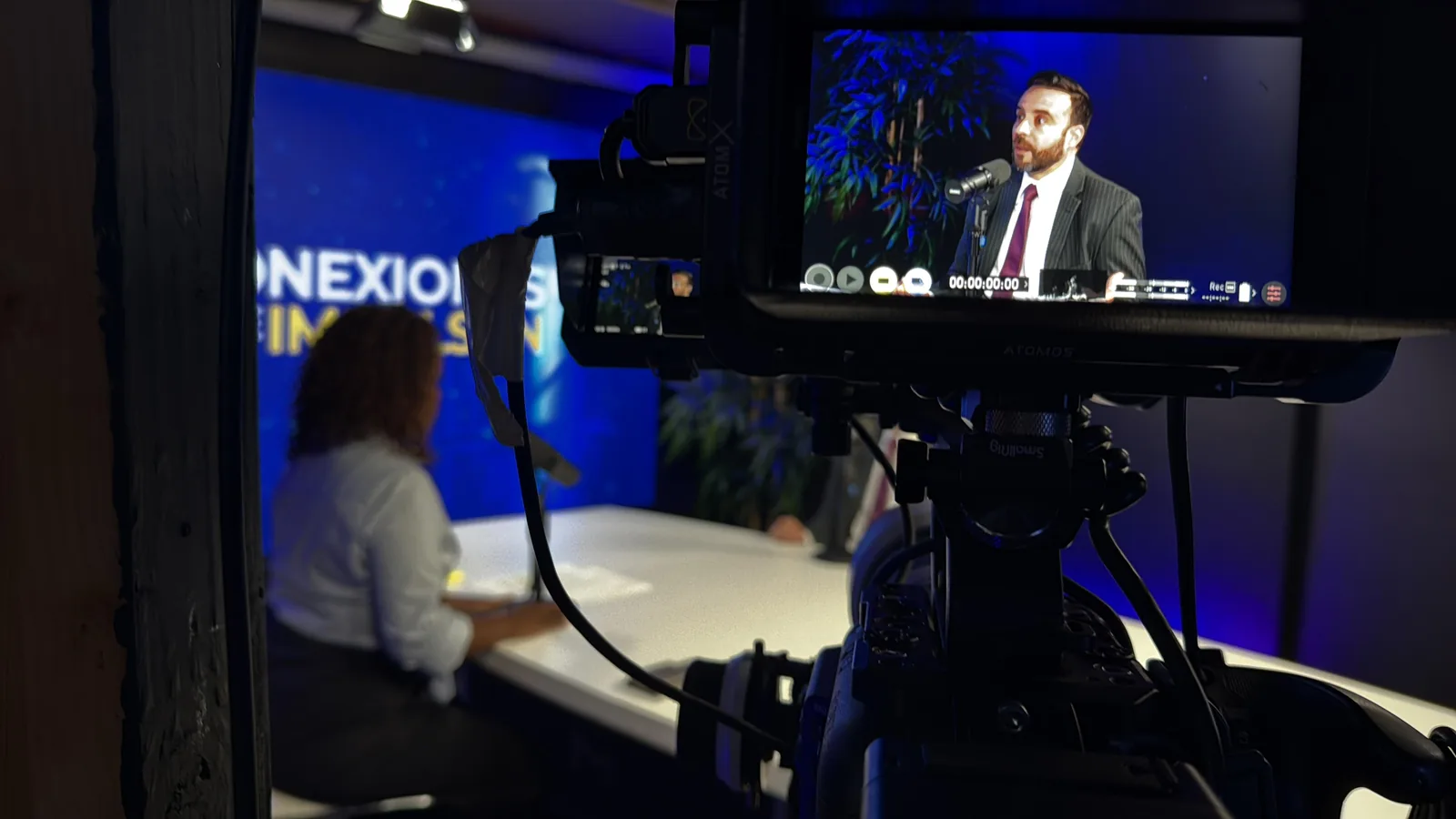
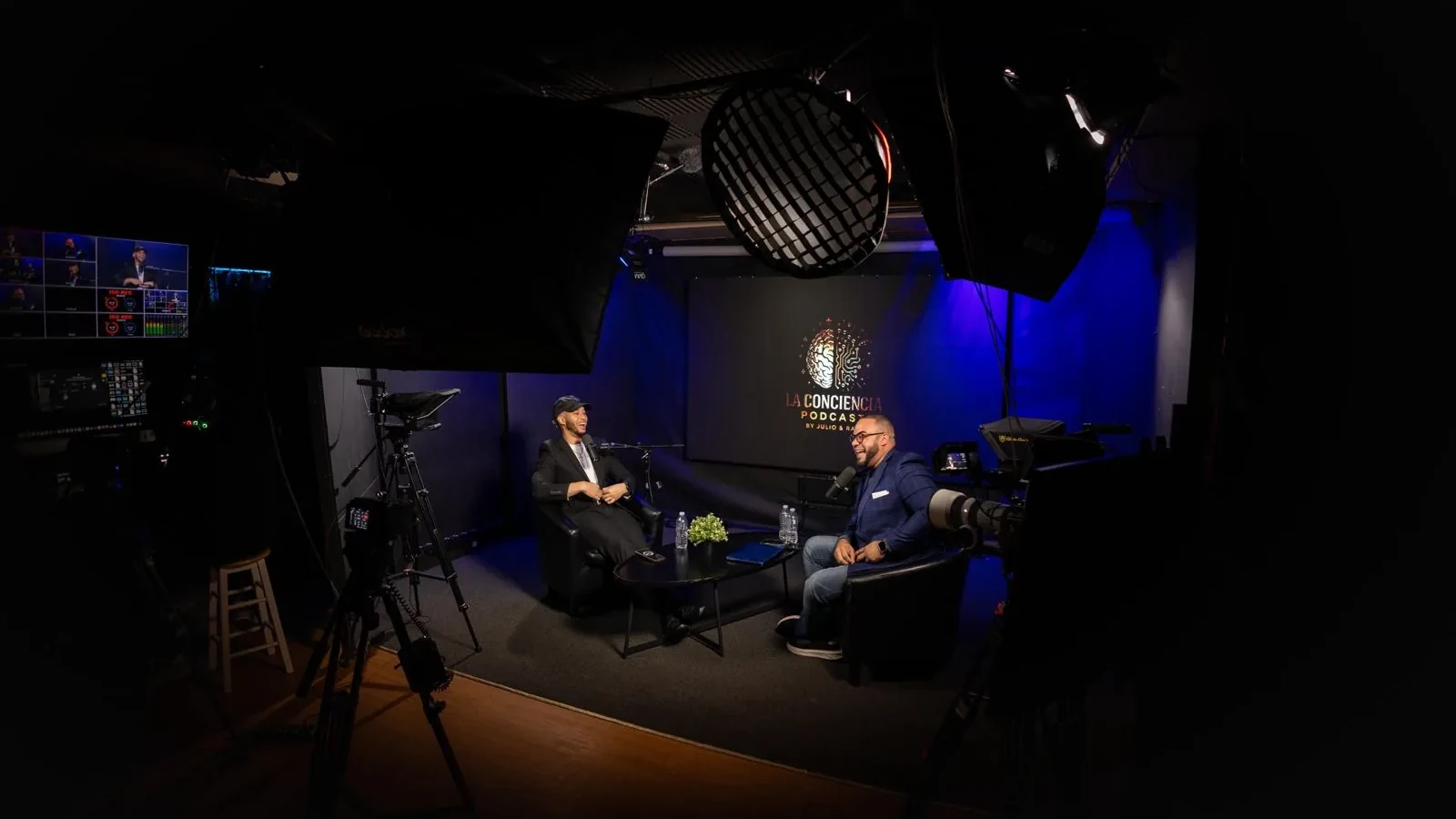
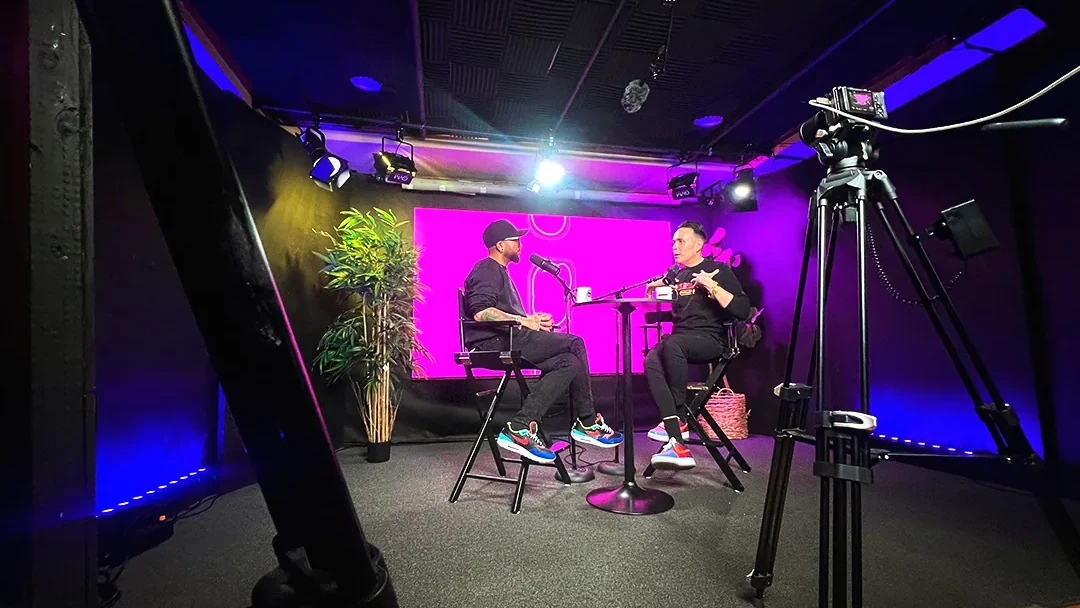
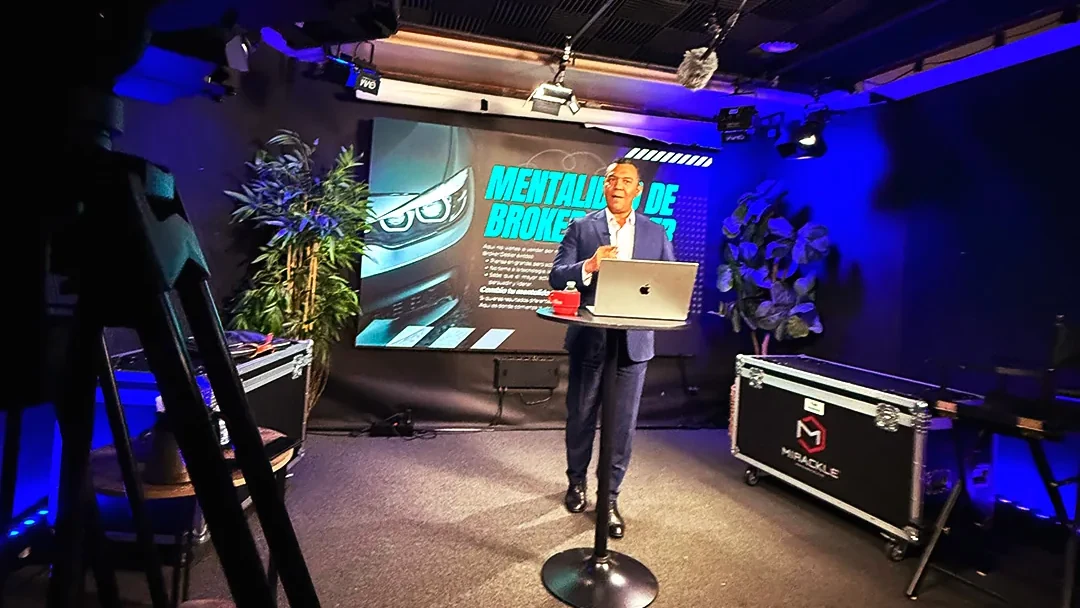
We can tell you what has been made in this room: more than sixteen shows since 2019, in English and in Spanish, across formats from solo teaching shows to five-person panels. Ten of them are documented with episodes you can watch on the shows page, so you can judge the production rather than take our word for it.
What we will not do is claim that we made those shows successful. The hosts did that work. Audience is earned by the person doing the talking and the consistency of showing up, and any studio that tells you otherwise is taking credit for something it did not do.
What a studio is responsible for is narrower and more honest: that the episode sounds good, looks good, comes back fast enough to keep a schedule, and does not become the reason you quit.
If you are still reading
The businesses that get the most out of this treat the show as a relationship tool with a small, specific audience, and measure it that way. The ones that treat it as a marketing channel and measure downloads get discouraged around episode eight and stop.
Decide which one you are before you record anything.
If it is the first, here is what an episode costs three different ways, and these are the seven questions worth asking any studio.
Or come see the room and talk it through: book a tour, thirty minutes, free. We will tell you honestly if we think your idea will not survive six months.