A customer saying you did good work is worth more than anything you can say about yourself. Everybody knows this. What stops most businesses is not the filming. It is the asking, and then the fact that the person freezes once the camera is on.
Both are solvable, and neither is a technical problem.
First, the uncomfortable part
Most people never ask, because asking feels like calling in a favor.
It helps to reframe what you are actually asking for. You are not asking for a commercial endorsement. You are asking somebody to spend twenty minutes talking about a problem they had and how it got solved. Most satisfied clients find that flattering, not burdensome. The ones who say no usually say no for scheduling reasons, not because they resent being asked.
The other thing worth knowing: ask right after the win. The week the project lands, the month after the results come in. Enthusiasm has a half-life. Six months later the same client is just as happy and half as vivid.
Who to ask
Not your biggest client. Your most typical one.
A prospect watching the video needs to see somebody who looks like them, with a problem that sounds like theirs. A testimonial from a company ten times their size reads as impressive and irrelevant.
Three or four short testimonials from recognizable versions of your customer beat one long one from your most prestigious account.
The ask that works
Keep it specific and small. Vagueness is what makes people say they will think about it.
Something close to this, in your own words:
We are putting together a few short videos of clients talking about their experience. You came to mind because [specific reason]. It would be about twenty minutes, we come to your office, and you do not have to prepare anything. If you would rather not, that is completely fine and I will not bring it up again.
Four things are doing work there:
- A time box. Twenty minutes is a decision somebody can make immediately.
- We come to you. Removes the biggest practical objection.
- No preparation. Removes the second biggest, which is fear of homework.
- An easy exit. People say yes more readily when no is genuinely available.
Do not give them a script
This is the mistake that ruins most testimonial videos, and it comes from a good instinct.
You want to make sure they mention the right things, so you send bullet points, or worse, sentences. They read them. On camera, a person reciting somebody else’s words is instantly recognizable, and everything they say afterward sounds rehearsed too, including the parts that were genuine.
Do the opposite. Tell them there is nothing to prepare. Then get what you need out of the questions, which is where the actual control is.
The eight questions
Ask these, in roughly this order. The early ones are warm-ups that people answer easily, and by the fourth they have forgotten the camera.
- Tell me what your business does, in the way you would explain it to a neighbor. Easy, familiar, gets them talking.
- What was going on before you called us? This is the problem, in their words. Often the single most valuable answer in the whole interview.
- What made you decide to actually do something about it? The trigger. Prospects recognize themselves in triggers.
- What were you worried about before you started? Gold. Whatever they say is the objection your future customers have and are not saying.
- What was working with us actually like? The process.
- What is different now? Concrete change. Push gently for specifics: a number, a length of time, a thing that stopped happening.
- Who would you tell to do this? Better than “would you recommend us,” because it makes them describe your ideal customer for you.
- Is there anything I did not ask that you would want somebody to know? The best answer of the day arrives here surprisingly often.
Two rules while filming: do not interrupt, and when an answer is good, ask them to say it again a slightly different way. Now you have a clean take you can use with no context around it.
The practical setup
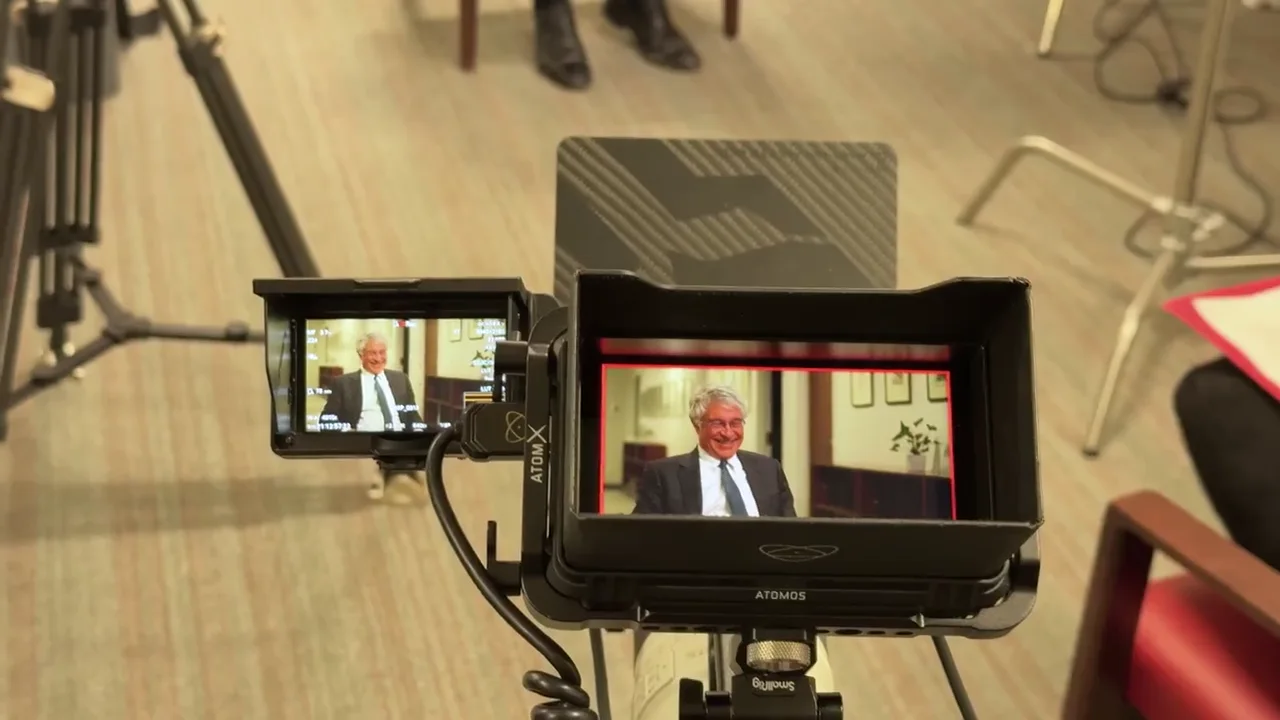
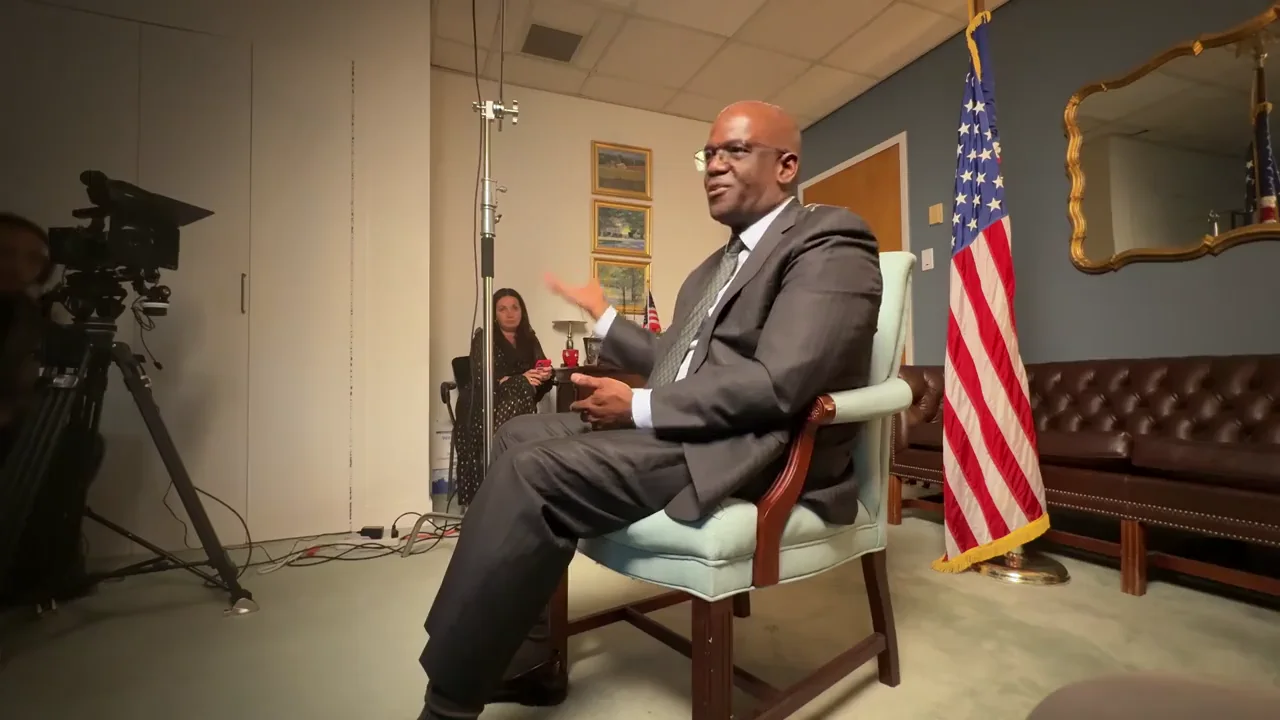
Go to them. In their office, in their shop, in front of their work. It is more convenient for them, it looks more real, and the background does half the storytelling.
Interview off-camera. They look at you, not the lens. Talking to a person is easy. Talking to a lens is not, and it shows.
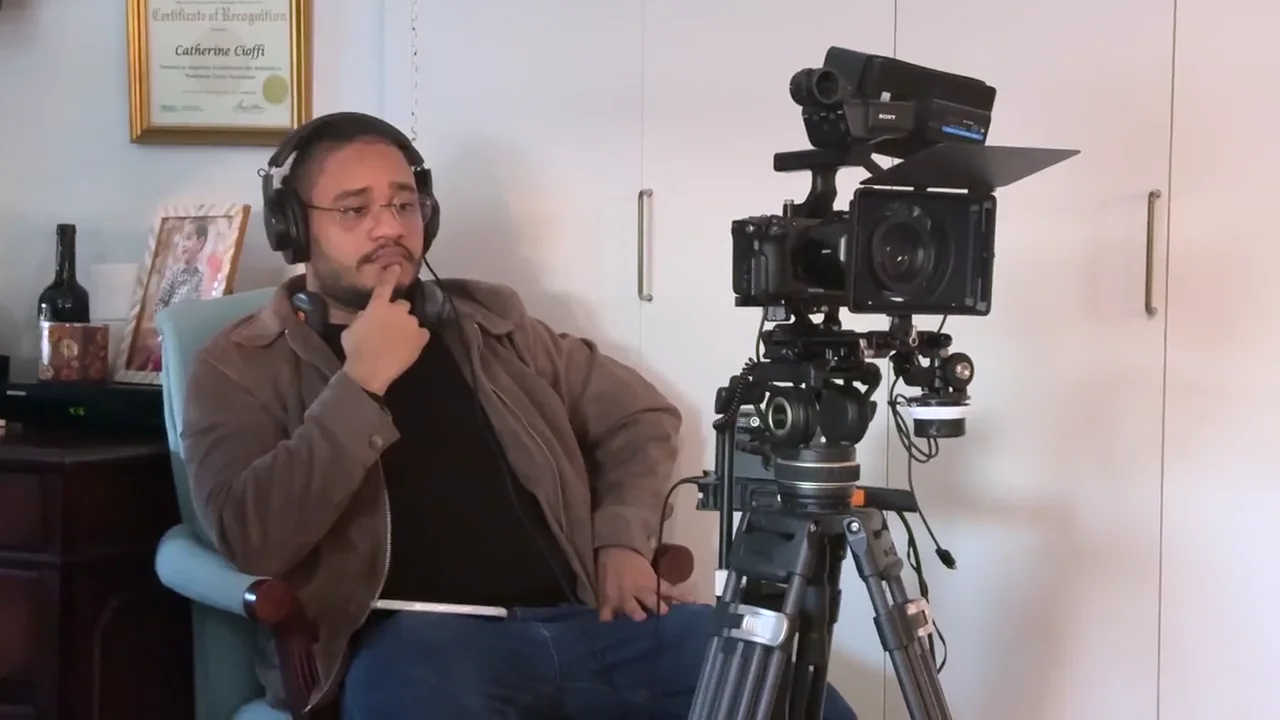
Get the room quiet. Air conditioning off, phones on silent, and if there is a hum somebody can turn off, turn it off. This matters more than the camera.
Film the surroundings afterward. Twenty minutes of their space, their hands working, their team. Those shots are what let you cut a twenty-minute interview into ninety usable seconds without it looking like a hostage video.
Ask permission in writing for how you plan to use it, including paid ads if that is the plan.
What you actually end up with
From one twenty-minute interview, done properly:
- One 60 to 90 second testimonial for your site
- Three or four vertical clips for social
- Two or three written quotes with a real face attached
- A clip your sales team can send when a prospect raises that exact objection
That last one is the most valuable and the least used. An objection answered by a customer lands differently than the same answer from you.
When a testimonial video is the wrong idea
- If the client is lukewarm. Politeness on camera is visible and it undermines everything around it.
- If they cannot say anything specific. “They were great to work with” is not a testimonial, it is a greeting card.
- If their industry restricts it. Some professional and regulated fields limit what clients can say publicly. Check before you film, not after.
If you want help with it
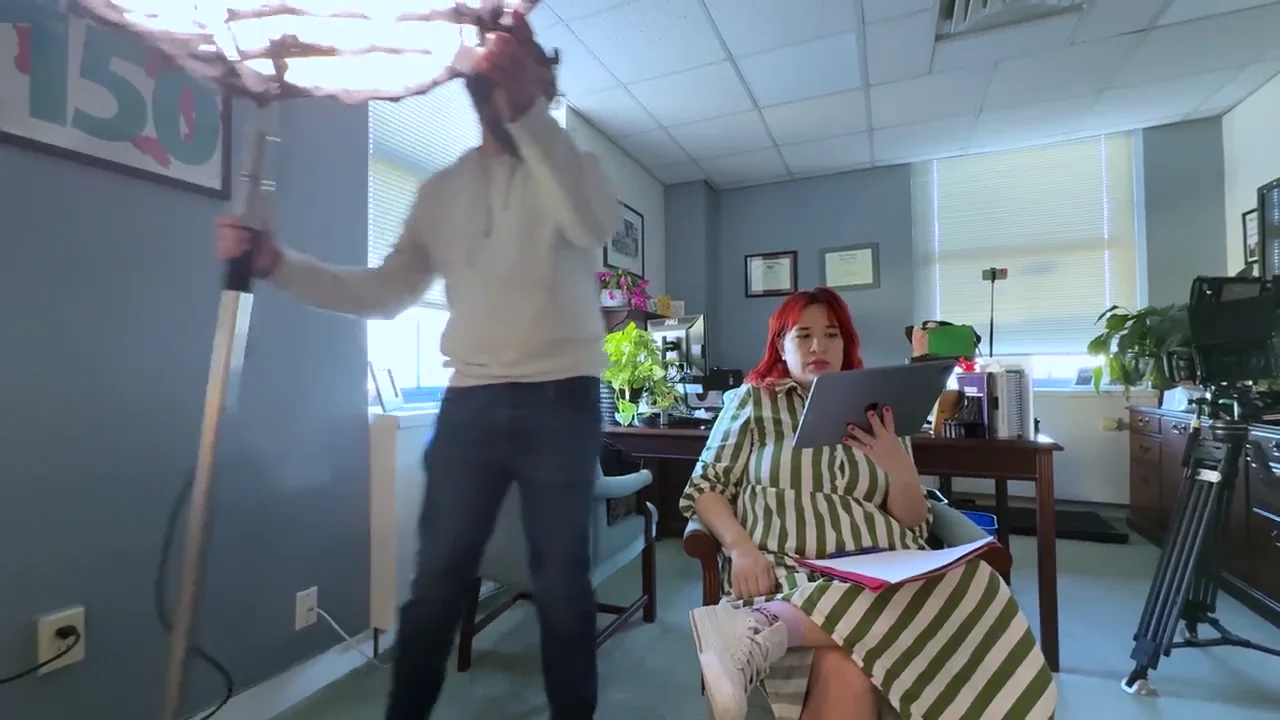
We film interviews on location around New York from a studio in the Bronx, including the awkward first ten minutes, which are mostly about making somebody comfortable rather than anything technical. There is a makeup artist for shoots where people are on camera, which matters more for a nervous client than for a professional presenter.
We deliver in English, Spanish or both, with captions, since most of these are watched with the sound off.
Tell us who you want to film and we will tell you what it takes.
You can also read what a corporate video costs in New York, or how to get a batch of videos out of a single shoot day.